How Active Noise cancellation works
Noise-Canceling headphones are gaining in popularity these days. Our devices take noise cancellation to a whole next level. This article will help clarify the technology used on noise-canceling products and provide a basic understanding of how noise-cancelling works.
 Before we start, it is important to understand the difference between active noise cancellation and noise isolation. "Isolation" refers to using material and/or design to minimize external noise pollution. "Noise cancellation" refers to eliminating sound waves with other sound waves.
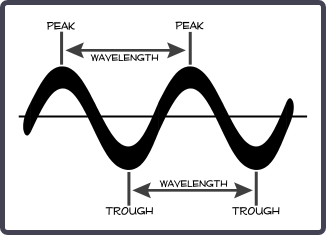
Noise cancelation technology is based on some very basic principals of sound. Take a look at the diagram on the right. Depicted is an example sound frequency. "Frequency" refers to the length of a sound wave (the distance from one peak to the next or one trough to the next).
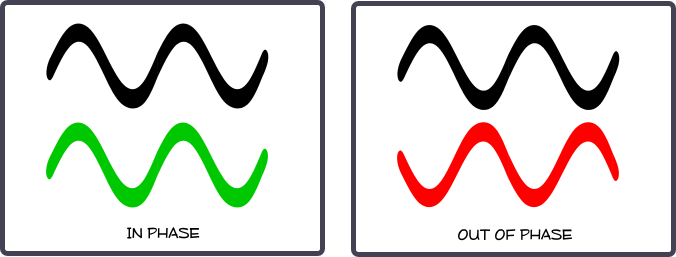
Now, if we want to "cancel" this sound frequency, we will need to eliminate the peaks and troughs so that the line appears flat (silent). The simplest way to achieve this is to introduce the exact same sound (frequency) but out of phase. Phase is a word that describes the timing of a frequency. When two of the same frequencies occur simultaneously with synchronized peaks and troughs we call them "In Phase". When their peaks and troughs are opposing we call them "Out of Phase" The diagram below shows our initial frequency and our introduced frequency, both in and out of phase.
When we introduce the same frequency out of phase of the initial frequency, the troughs of the out of phase frequency line up with the peaks of the initial frequency. When combined, the two frequencies create a flat line with no peaks or troughs. The sound frequency has been effectively canceled. (see diagram below)
How the Noise-Canceling devices from ActiveNoise work:
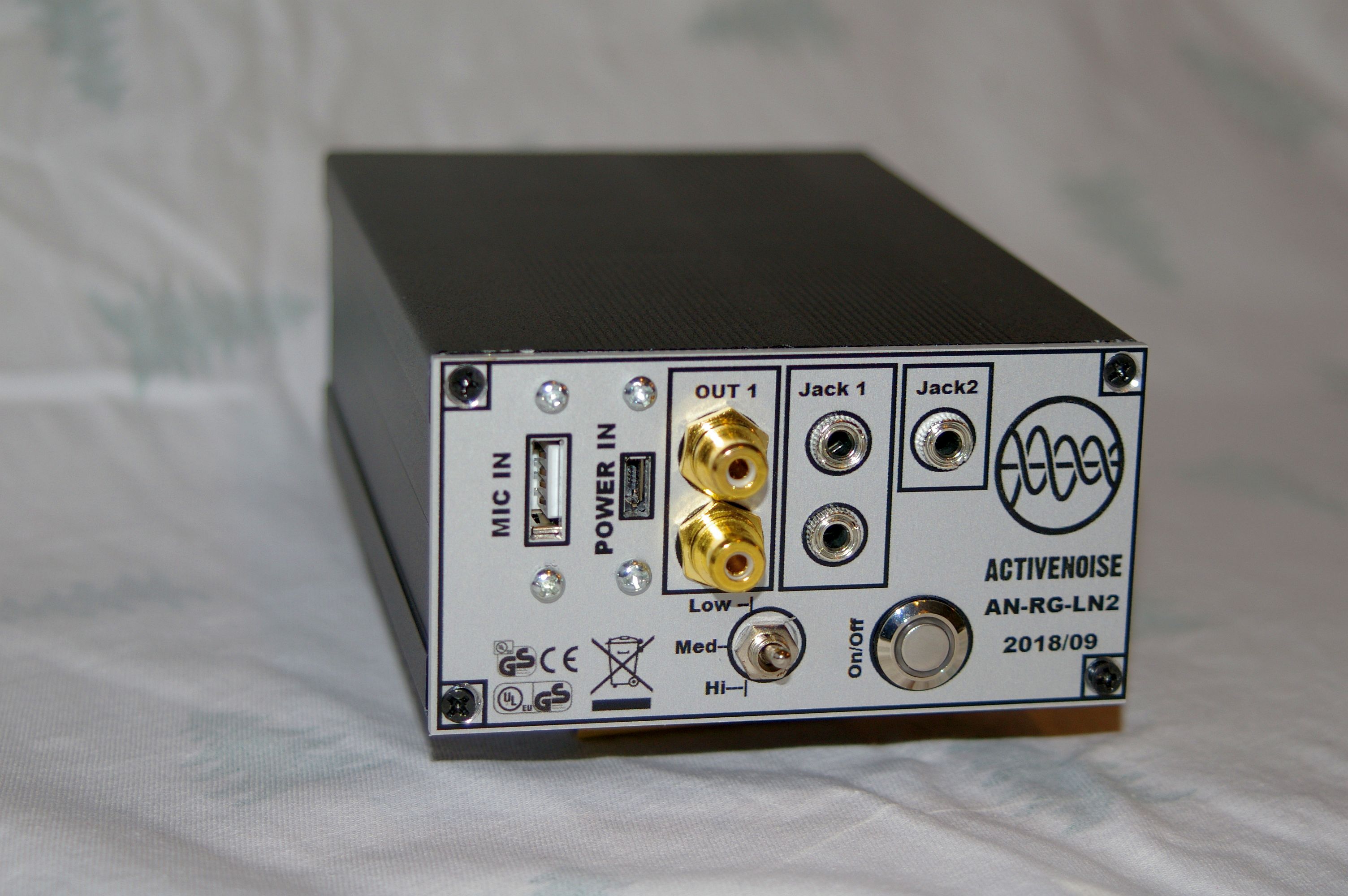
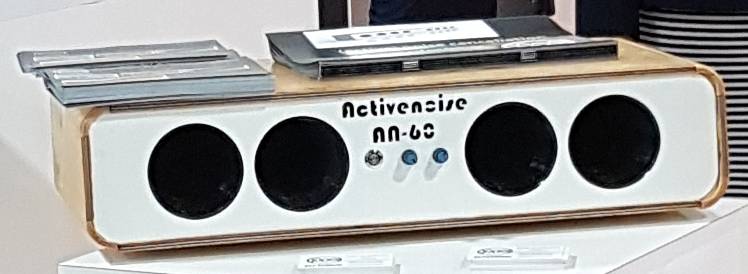
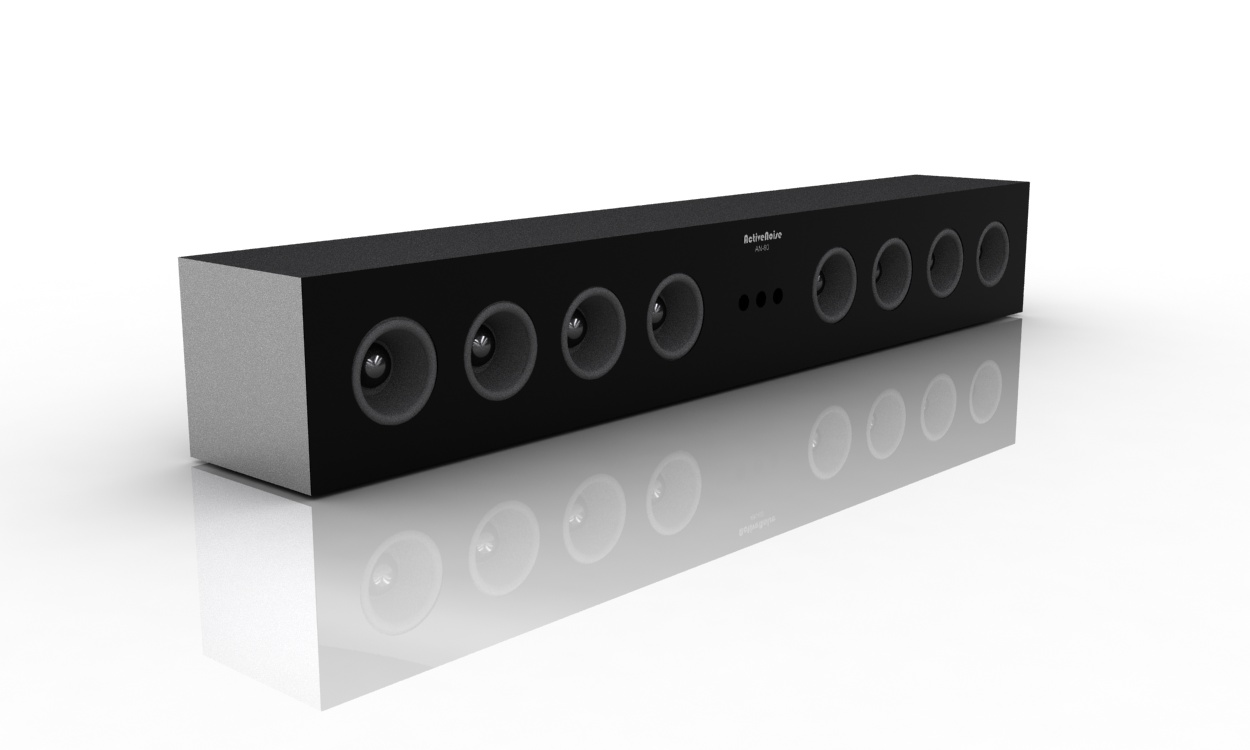
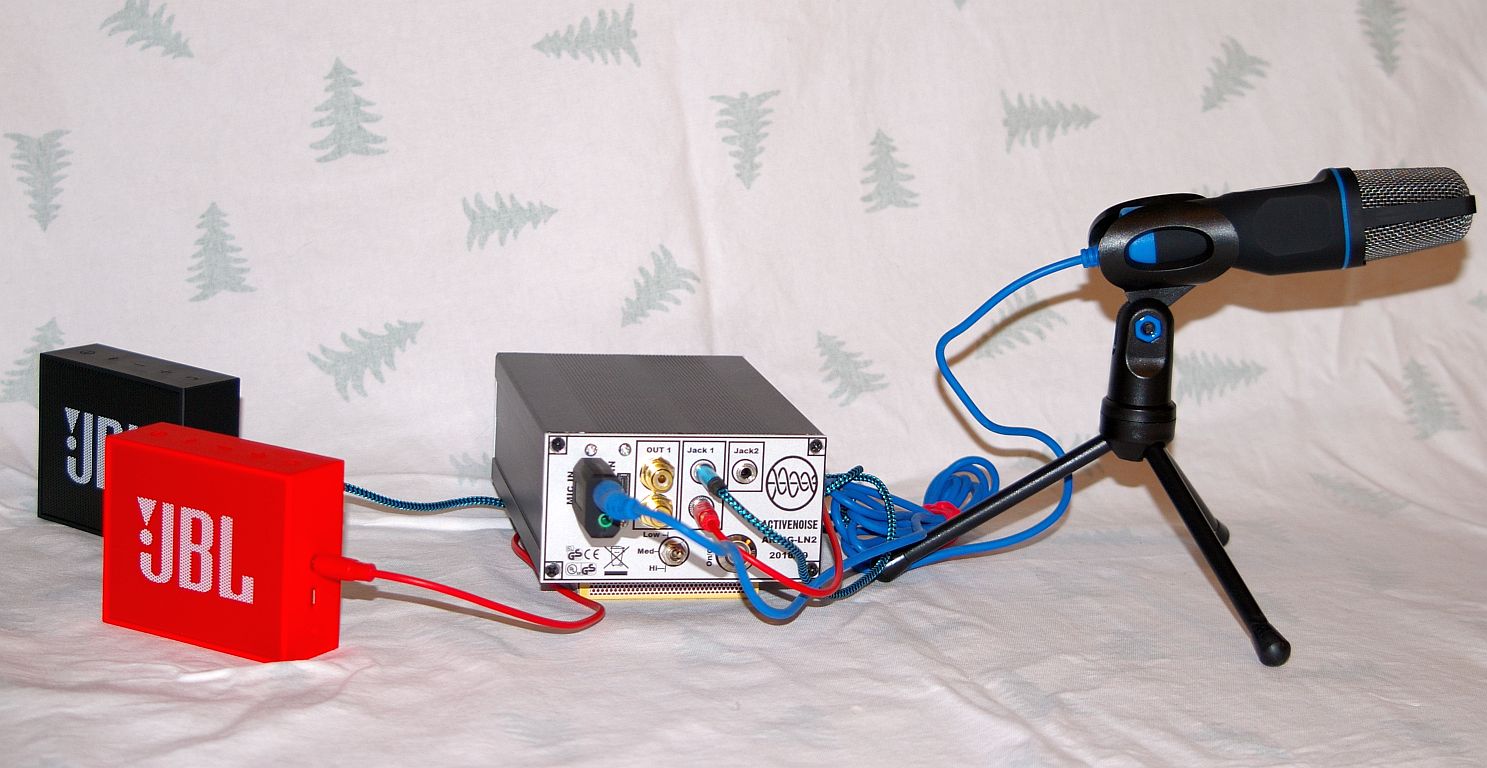
Our Noise canceling products operate based on the sound principals described above. All our noise canceling devices utilize several components to eliminate external noise. The process begins with a directional microphone that senses incoming sounds of a particular direction. The microphone passes the signal to a processor which determines the frequency of the incoming noise, and creates and out-of-phase version of the incoming frequency. The new (noise canceling) frequency is then emitted from an array of directional speakers. This process requires power so most noise canceling products require electrical power.
This article is intended to offer a quick summary of noise canceling technology. A quick internet search will yield more in-depth information.